
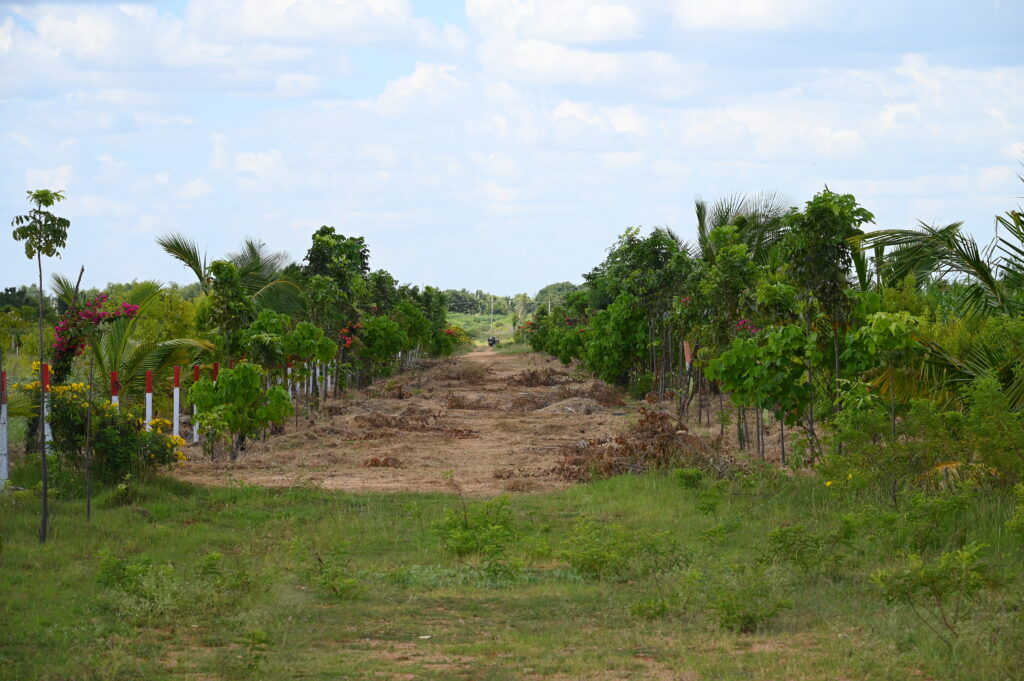

The pictures depicted in the brochures include pictures of lush orchards, weekend picnic parties, and consistent passive income. They don’t often talk about the legal details, the extra fees or the practical time requirements that are part of the ownership experience. Before taking the time to sign anything, here are seven things to know:
Note: This guide is intended for informational purposes only and no longer alegal or financial advice. Land laws, zoning and eligibility requirements are specific and subject to change — check with a property lawyer prior to purchase.
2. Eligibility Conditions for Purchasing Agricultural Land are More Complex than they Appear
Karnataka’s notification on who can purchase agricultural land has evolved over time and various sources have different interpretations about the changes, such as 2020 changes made it easier for non-agriculturists to buy farmland by removing the income cap and “farmer certificate” restrictions and others using the term “farmer certificate” are still referring to older notification conditions including a limit on income at ₹25 lakh a year. The lesson here, of course, is that eligibility rules differ from state to state and can vary; it’s a frequent mistake to think that one set of eligibility rules would be applicable to all buyers categories and that’s why deals get stalled or registrations get cancelled. Do not assume that a developer’s sales brochure is accurate; find out for yourself if someone is currently eligible before putting any money into the project.
3. Deleting a PTCL Clearance can undo the Ownership Years Later.
One of the lesser known but serious risks in the Karnataka farmland: The original beneficiary of the land can claim the land many years after you have fenced and started farming the land when you did not get the PTCL (Prevention of Transfer of Certain Lands Act) clearance. Such historical issue of title is not usually encountered in a cursory document review, but will necessitate an appropriate legal search of the land’s chain of title, which will not simply involve the search of the latest sale deed.
4. When You’re in an Eco-Sensitive Zone, You Can Silently Prohibit What You Thought You Could Do.
A plot can look perfect on paper and still come with major restrictions if it falls within an environmentally sensitive buffer. Land near areas such as Bannerghatta National Park or lakes like Thippagondanahalli often carries eco-sensitive zone (ESZ) status, which can bar activities like sinking borewells, putting up fencing, or using chemical fertilizers — all things many buyers assume come standard with owning farmland. Revenue officers won’t necessarily volunteer this information; you have to specifically ask before purchasing.
5. Infrastructure Projects Can Make Your Resale Value Specialty Suits for Years.
Today’s “high-growth” corridor could be hard to get out of by the time it comes time to resale. <cite index=”13-1″>When a master-planning road widening project is being marketed today, the potential for resale could be frozen for 10 years until the project is resolved. It’s worth looking into especially — find out if the area is part of an active or planned government infrastructure or master-plan zone before purchasing.
6. Managed Farmland Near Bangalore” is a Term with Many Different Meanings Depending on the Developer.
The term “managed” is used loosely in the industry, some managed farmland providers include in the specification that “managed” is interpreted somewhat loosely by many developers, and that purchasers should ask specifically what steps are being taken, line by line, instead of assuming a level of service. The difference between what is actually included and covered by two projects being described as “fully managed” can be vast: irrigation, security, harvesting, sales of produce, reporting frequency, legal vetting standards can all vary. Request details in detail, not just the marketing summary.
7. Real Legal and Operational Risk is not Simply “Managed” Away — It Moves! Managed Farmland Near Bangalore
The purchase into a managed project does not remove the basic risks associated with farmland ownership, it shifts the responsibility for those risks. There are still “real” risks such as title risk, operational risk, legal risk and liquidity risk.There are still real risks: title risk, operational risk, legal risk, and liquidity risk because buyers of undeveloped land are scarce. While a good management company should be rigorously screening out parcels on legal and/or hydrology grounds before offering them to anyone, not all developers are as thorough.A good management company will be screening out large numbers of parcels on legal and hydrology grounds before they ever offer them to anyone — but not all developers. Be specific about what percent of land is rejected and why—if there is no reason, or a vague one, then it is a red flag.
The “Hands-Free” Guarantee Has a Real Emotional and Practical Trade-Off Managed Farmland Near Bangalore
Many buyers think of a casual visit to the plot, a relaxing hobby, but without a working system in place, a plot can appear a relaxing project administration chore, and visits are inclined to diminish and then die out, and it is precisely this issue that managed farmland is developed to resolve. Meanwhile, putting down a fence to keep people off the land without ever visiting it does not capture the spirit of enjoyment, which is found more in the use than in the ownership of the land. If the lifestyle is the primary reason for purchasing the farmland, ask yourself how often you will really use it: the emotional and financial return on the farmland purchase generally goes along with how much you use it.
The Following Brochure Doesn’t Explicitly Answer Everything, So Here is an Extra Source: Question Everything a Brochure Doesn’t Explicitly Answer
In almost every case, it’s the same story: shiny marketing material, and a glossed-over operational and legal fine-print. Prior to purchasing:
- The legal history search must be conducted and must include information from the sale deed, not merely the latest sale deed.
- Availability of written approval for zoning and eco-sensitive for the particular plot.
- A clear and itemised list of what is considered “managed”.
- Ask direct questions regarding developer’s land rejection levels, legal vetting procedure.
- Realistic estimate of how often you will visit based on your personal evaluation.
Conclusion Managed Farmland Near Bangalore
None of it, however, means that managed farmland around Bangalore isn’t a good option — for many purchasers, it is that. However, the seven points listed above are the type of information that only becomes apparent after buyers sign, not before. It will mean you’re in a much better position to make your best decision than you would be if you went in blind on all of the eligibility requirements, real-world title issues, zoning restrictions, infrastructure plans, how much “management” you realistically can implement, ongoing risks and exposure and your own level of engagement.